
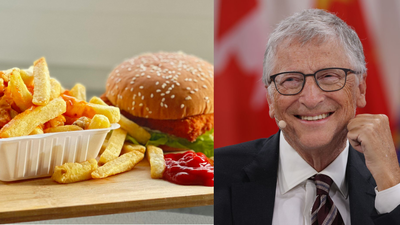
Microsoft co-founder Bill Gates has a favourite food he wishes were not so closely tied to climate change. Even as he invests heavily in climate campaigns and sustainable food technologies, Gates has admitted that cheeseburgers remain his weakness, a comfort food he loves but also sees as a climate disaster. The billionaire has repeatedly spoken about the environmental impact of beef production, particularly the greenhouse gas emissions linked to cattle farming. He has also spoken about his struggle to find plant-based alternatives that truly match the taste of a traditional burger, saying no substitute fully recreates the richness and flavour he craves.
Bill Gates calls his favourite food a ‘climate disaster’
Gates has openly described cheeseburgers as both his favourite food and a major environmental problem. Writing on his GatesNotes blog, he explained that beef production contributes heavily to greenhouse gas emissions, particularly methane released by cattle.According to climate researchers and organisations such as the United Nations Food and Agriculture Organization, livestock farming is responsible for a significant share of global emissions linked to human activity. Cattle require large amounts of land, feed and water, while also producing methane during digestion, a greenhouse gas far more potent than carbon dioxide over shorter timescales.For Gates, this creates a personal contradiction. He enjoys cheeseburgers but recognises that large-scale beef consumption has a substantial climate footprint.
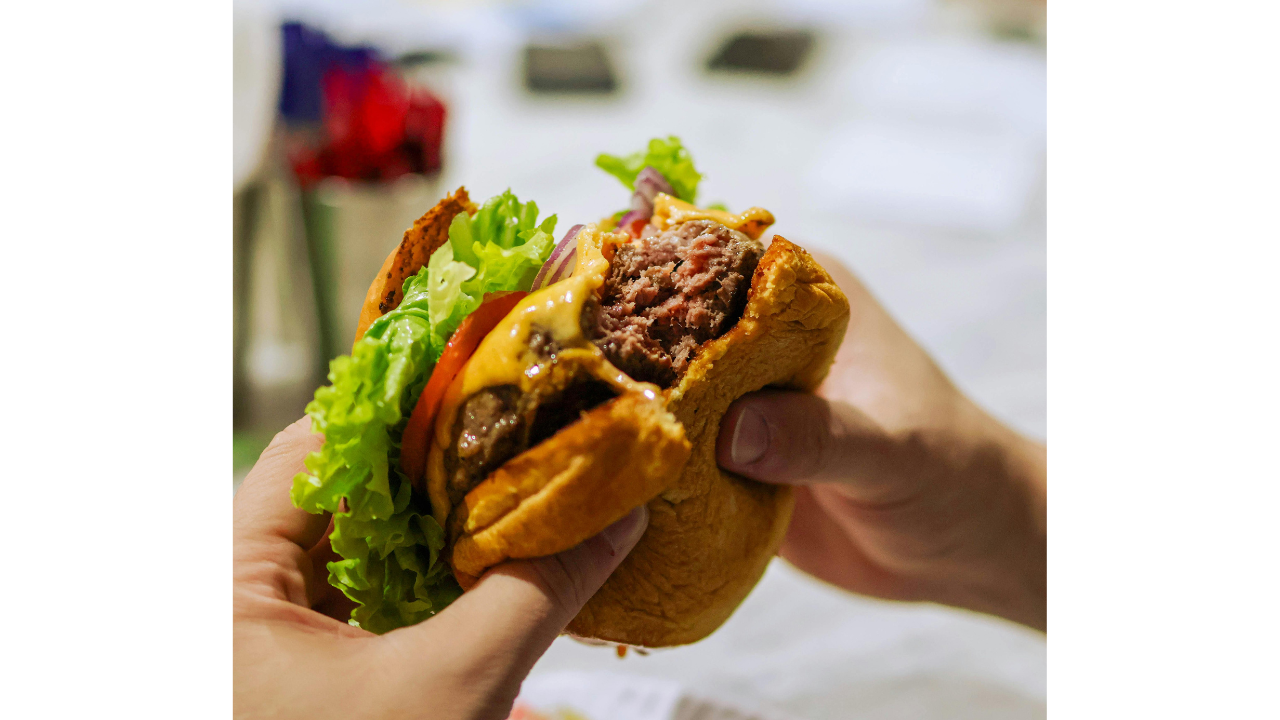
One of the main reasons Gates believes plant-based burgers still struggle to replace traditional beef lies in animal fat. He has argued that the richness, juiciness and flavour people associate with cheeseburgers largely come from fat molecules naturally present in meat.In interviews discussing alternative food technology, Gates said that no plant-based burger currently available can completely fool dedicated burger lovers. While meat substitutes have improved significantly in recent years, replicating the taste and texture of real beef remains a major challenge for food scientists and companies developing sustainable alternatives.This is why Gates continues investing in food innovation projects aimed at recreating animal fat and meat proteins without relying on traditional livestock farming.
The startups trying to solve the problem
Gates has supported multiple companies focused on reducing the environmental impact of food production. One of the firms he has discussed publicly is Savor, a company developing synthetic fat molecules designed to mimic animal fat without requiring cattle farming.The company is exploring ways to create fats using carbon dioxide, hydrogen and other non-animal inputs. The goal is to reproduce the flavour and cooking properties of traditional fats while significantly lowering greenhouse gas emissions tied to livestock agriculture.Gates believes technologies like these may eventually provide climate-friendly foods that consumers actually want to eat, rather than asking people to simply abandon popular meals altogether.
Why reducing beef consumption matters to climate scientists
Climate experts frequently identify beef production as one of the most carbon-intensive parts of the global food system. In addition to methane emissions, cattle farming contributes to deforestation, land degradation and high water usage in many parts of the world.Researchers argue that reducing beef consumption, especially in wealthier countries with high meat intake, could help lower overall emissions. Gates himself has said he has cut back on eating beef, even though burgers remain one of his favourite meals.However, he has also acknowledged that convincing billions of people to permanently stop eating meat is unlikely to succeed on its own. Instead, he argues that affordable and realistic alternatives are necessary if large-scale dietary change is going to happen.